Fade
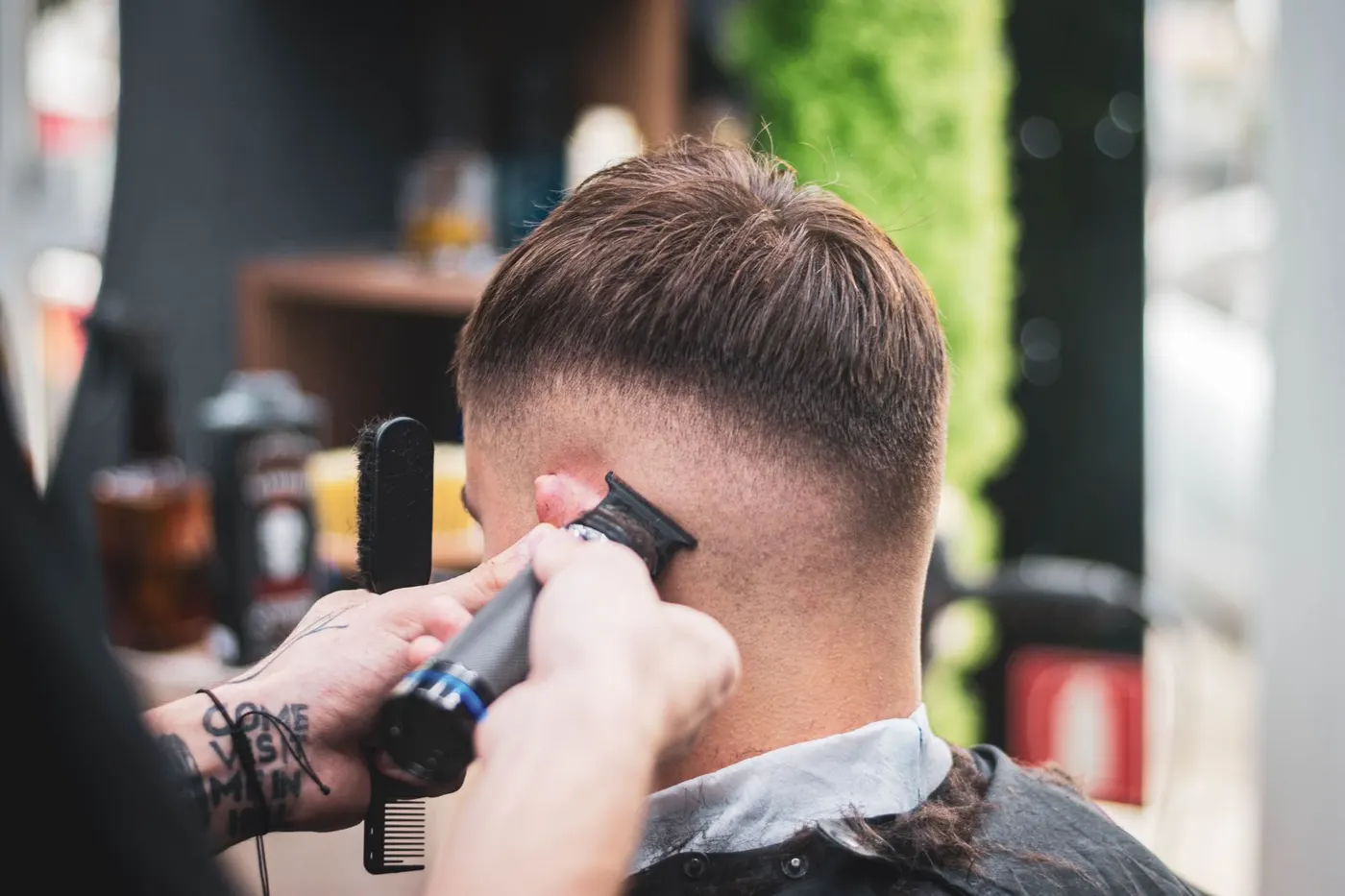
The hair climbs gradually from the nape and temples with no visible step anywhere. The whole job is in the blend — it is how you tell who can actually handle clippers.
SuitsAlmost any hair and any faceRefreshEvery 2 to 3 weeks
Guide · Hairdresser / barber
Six cuts that cover almost everything asked for in the chair, what each clipper number actually means, and how long each one holds before it starts to look grown out.
Names are understood differently from salon to salon, but these six are asked for everywhere and under the same names.
The hair climbs gradually from the nape and temples with no visible step anywhere. The whole job is in the blend — it is how you tell who can actually handle clippers.
The sides are taken down to one length and do not blend into the top — there is a clear edge. The top stays long and is combed back or to the side.
A short, forward-fringed top with textured ends. It is worn without styling and is the most forgiving cut when the hairline is thinning.
Volume at the front, hair combed up and back. It needs length on top, and it needs five minutes in front of the mirror every morning — without that it does not hold.
One clipper length over the whole head. The simplest cut there is, but it reveals the shape of the skull and every scar — it hides nothing.
Scissors, a parting, no sharp transitions. It never goes out of style and ages the slowest between appointments, because there is no line to grow out.
A fade is not one haircut but a blend: the length grows from the nape upwards and no step is visible anywhere. The difference between barbers sits exactly there — a bad blend does not show in a photo taken from the front, but everyone standing to the side sees it.
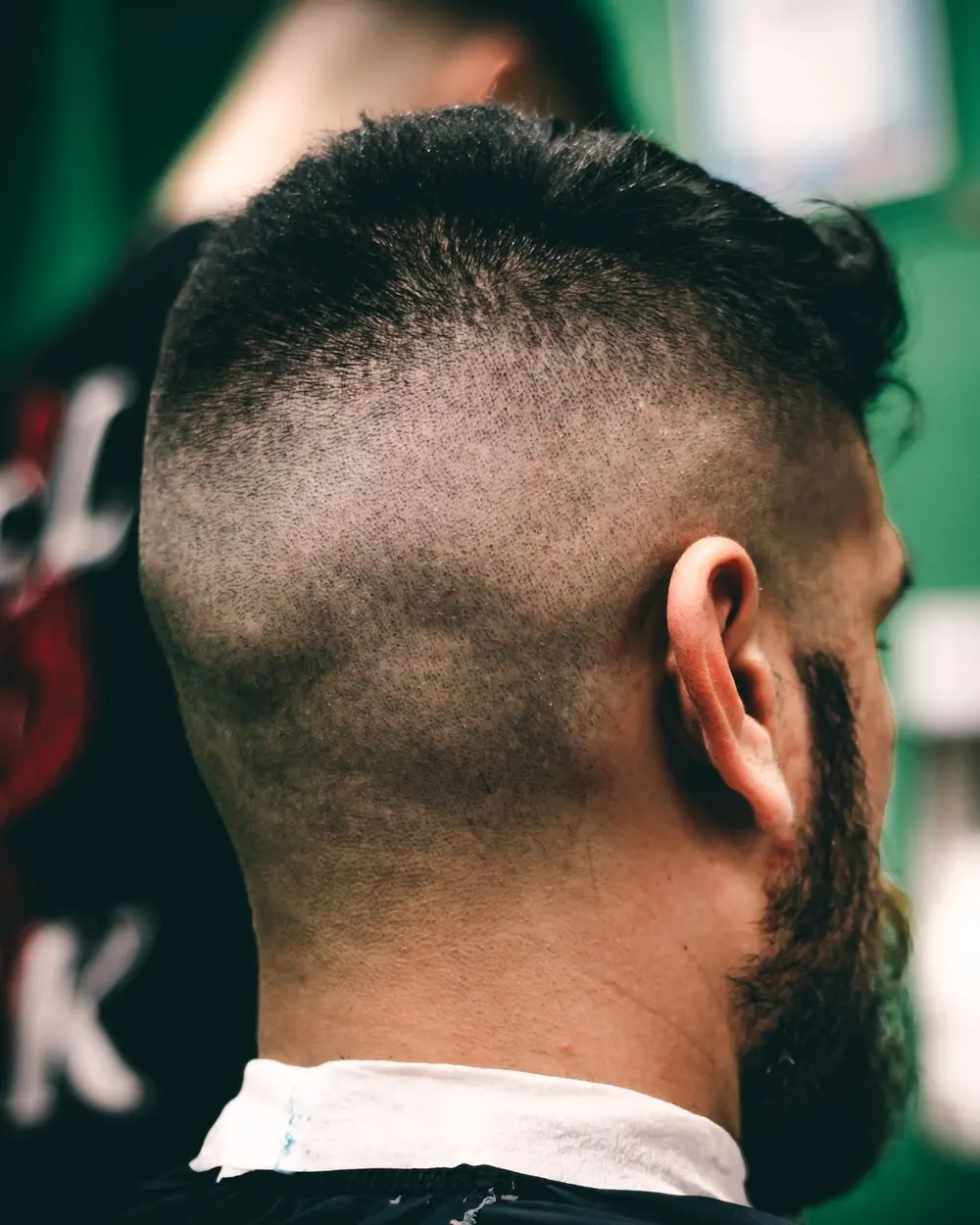
What you actually agree on in the chair is not the word “fade” but the height. A low fade starts just above the ear and is fine for the office; a mid fade goes up to the temple; a high fade starts at the corner of the forehead and changes the whole shape of the head. If nothing is said, you get a mid fade.
The fade ages faster than any other cut. By the third week the blend blurs and the cut looks grown out — hence an appointment every two to three weeks, not every six.
The number on the guard is the length in millimetres. This is the one table worth knowing before you sit down.
| Number 0 | 1.5 mm | Skin shows through, the blend starts at the nape |
|---|---|---|
| Number 1 | 3 mm | The lowest point on most fades |
| Number 2 | 6 mm | The most common choice for the sides |
| Number 3 | 10 mm | A slight take-down, the length still reads |
| Number 4 | 13 mm | The transition into the top |
| Number 6 | 19 mm | Short, but it does not read as clipped |
When in doubt, take the bigger number. Shorter can always happen right away, longer only in a month's time — and that is the one haircut mistake that cannot be fixed the same day.
A barber and a hair salon are not the same trade. A barber works with clippers, a razor and a hot towel, and half the job is the beard — shape, the line on the cheek and neck, the shave. A hair salon works with scissors, colour and styling, and that is where you go for longer hair or colour.
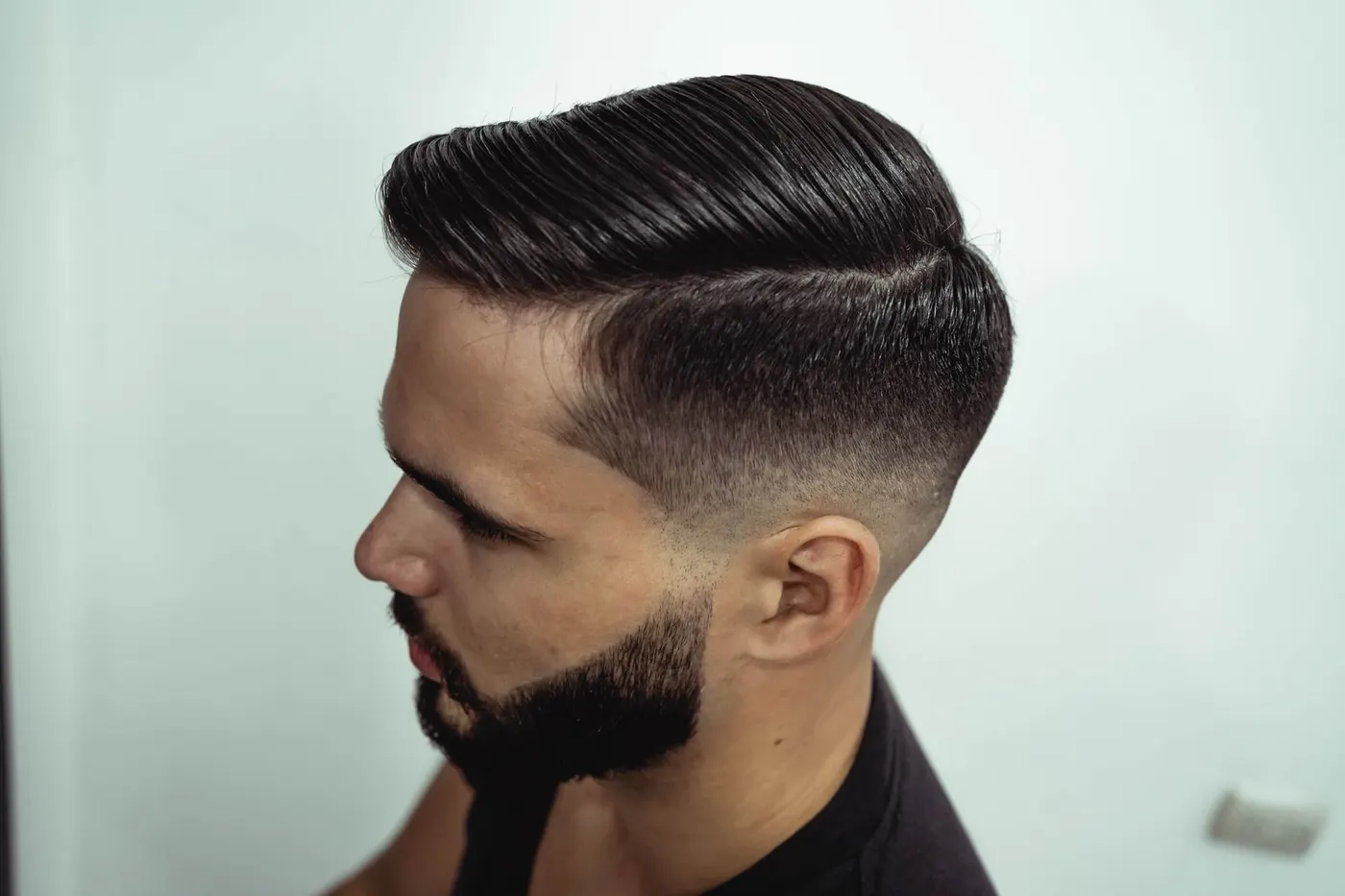
For a fade, a sharp line and a beard, go to a barber. For a classic scissor cut, colour or longer hair, go to a hair salon. Most people do both jobs, but not equally well — and you can tell from the photos in their window.
The rule is simple: the cut adds what is missing and takes away what there is too much of.
A photo taken to the salon is worth more than a name. It helps if the profile is visible in it, not just the face.
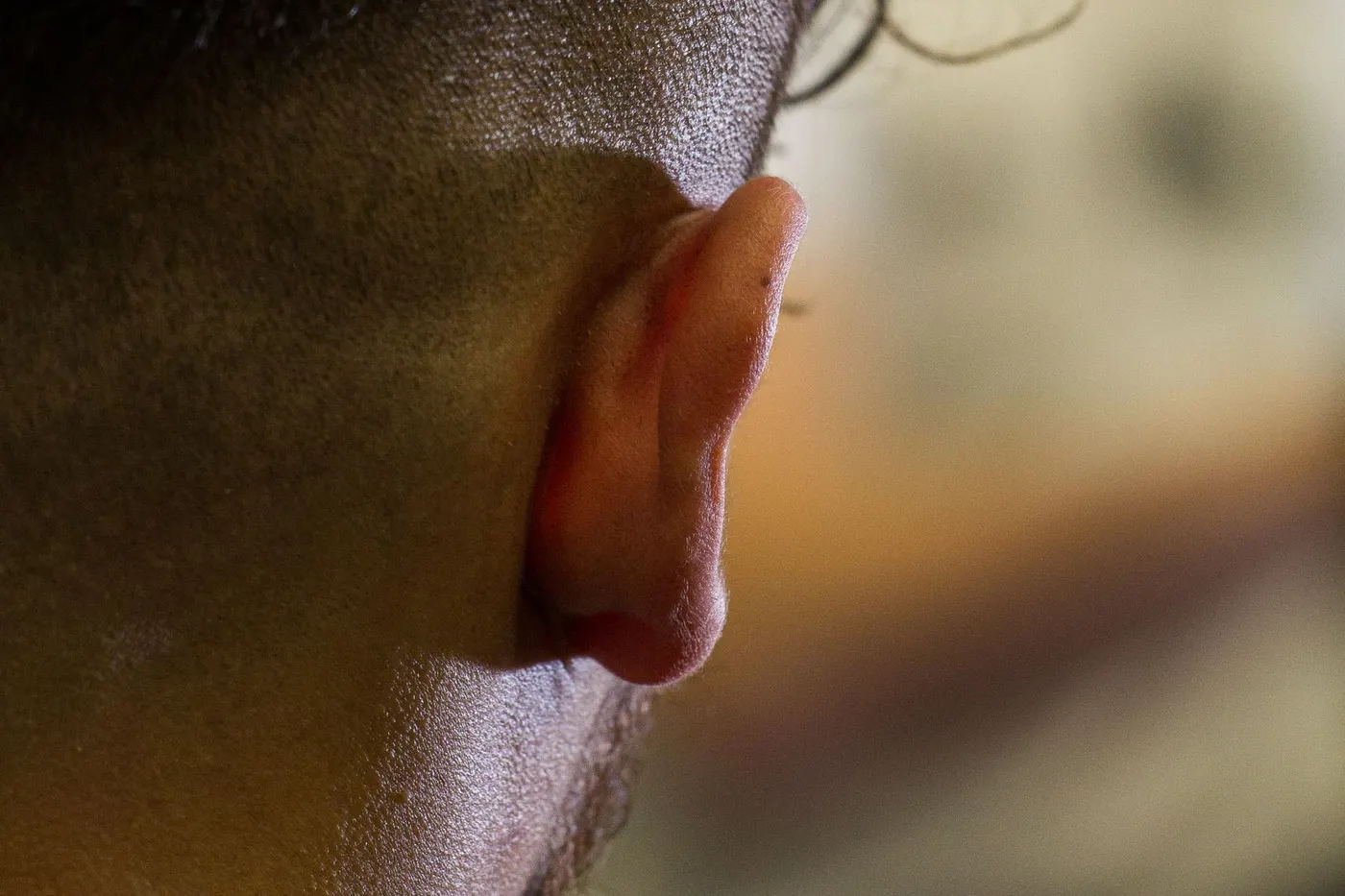
A salon photo shows the cut right after styling. If you do not plan on five minutes in front of the mirror every morning, it is worth saying so — the cut is then built differently.
A fade has no edge — the length grows gradually from the nape upwards. An undercut has a clear border: the sides are at one length, the top is long and does not blend into them.
The number is the length in millimetres: zero is about 1.5 mm, a two is 6 mm, a four is 13 mm. If you are not sure, it is safer to ask for a bigger number — shorter is always possible, longer is not until next time.
On a fade the blend blurs after two to three weeks already. A classic scissor cut holds four to six weeks, because there is no line to grow out.
A short crop with a textured top and short sides. Longer hair combed over the forehead goes see-through in daylight and highlights exactly what it is trying to hide.
A photo, and one taken from the side rather than only from the front — the blend at the temple is what you are agreeing on. The name of a cut is understood differently from salon to salon; a picture is not.
Damp hair is easier to cut evenly, so most salons wash it. A fade is often done on dry hair because the blend reads better that way — both are correct.
Do you run a salon? Everything about a client in one place — what she had done, with what, and when she is due back. No notebook, no scrolling through messages. Try it free